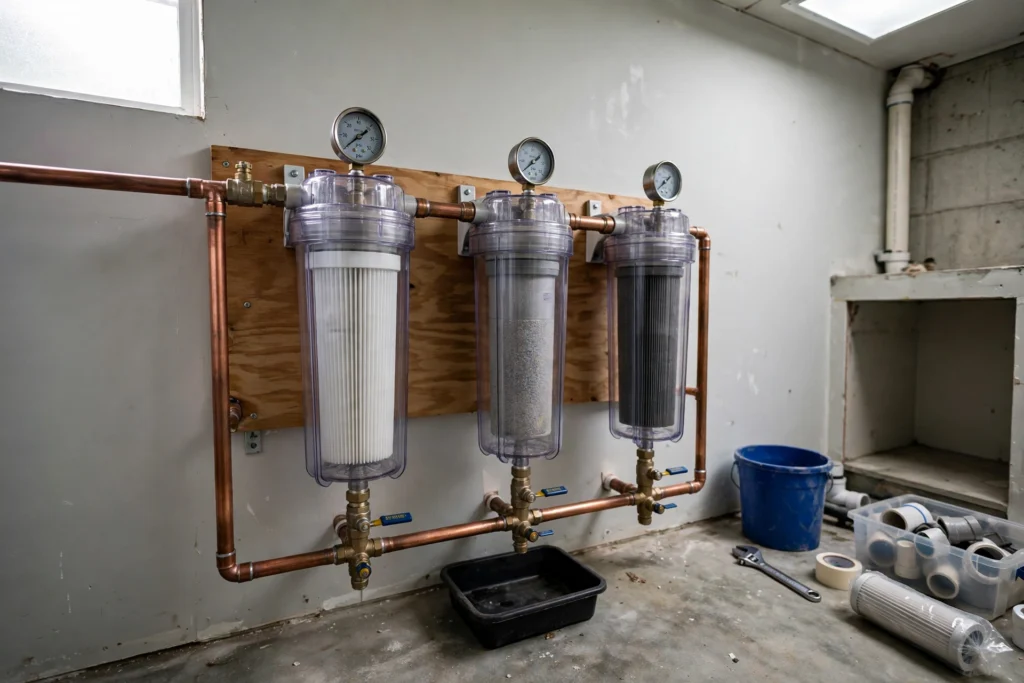



How to Create a Dedicated Household Filter Maintenance Station for Multiple Water Treatment Systems

A home with more than one water treatment device, a sediment filter, a carbon filter, a softener, an ultraviolet unit, and perhaps a reverse osmosis system under the sink, usually has its maintenance scattered across the house: cartridges in a cupboard, a manual in a drawer, and a vague memory of when anything was last […]
Read More
Modern Exterior Staircase Drainage Designs That Reduce Water Accumulation and Surface Deterioration
An exterior staircase spends much of its life wet, and the difference between a stair that lasts twenty years and one that needs rebuilding in five is almost always drainage. Water that pools on treads, collects on landings, or sits against stringer bases drives corrosion in steel, rot in timber, spalling in concrete, and freeze-thaw […]
Read More
How to Restore Original Wooden Windows in Historic Homes Without Replacing Period Glass and Frames
Original wood windows in a historic home are usually worth restoring, not replacing. The sash was cut from old-growth timber far denser than anything milled today, and it is routinely still sound after a century once the paint seal is cut and the cords are renewed. Restoration means repairing the sash, reglazing the original glass, […]
Read More
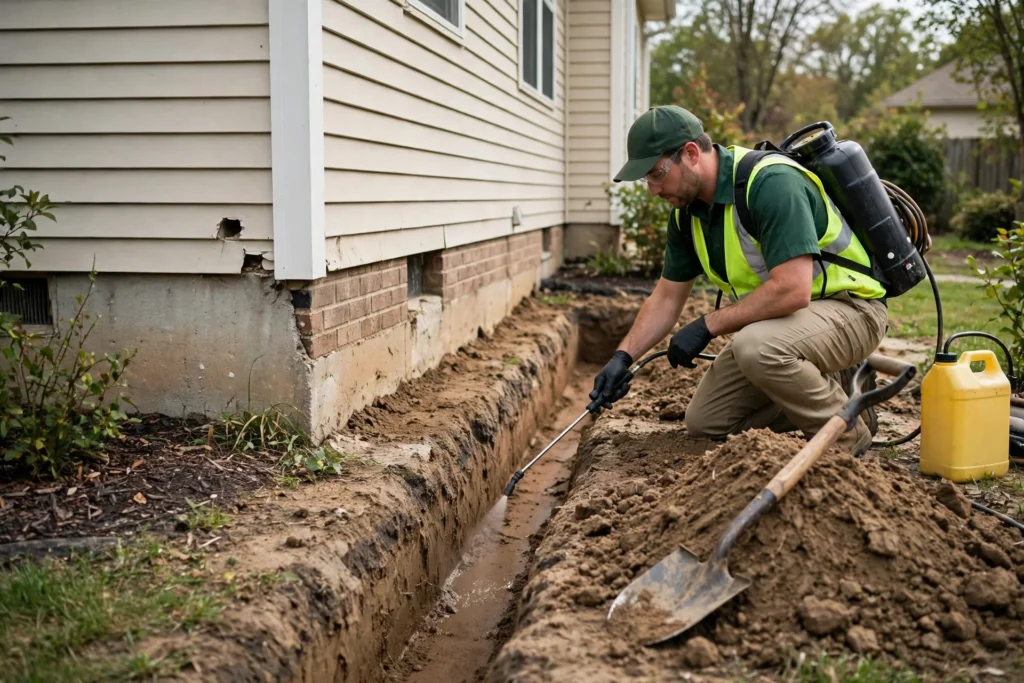
Advanced Residential Termite Barrier Systems for Protecting Wooden Structures From Subterranean Insect Damage Around Home Foundations
A termite barrier is a continuous zone of protection installed around, and often beneath, a building to stop subterranean termites ever reaching the timber structure. It does not try to kill every termite in the yard, which is impossible. Instead it blocks the concealed routes termites use to travel from the soil into the frame, […]
Read More
Laughlin Strip Mishaps: Jurisdictional Guide for Injured Tourists Seeking a Personal Injury Attorney Laughlin Nevada


After a night at a Laughlin Strip casino or a daytime stroll along the Colorado River walkway, the last thing a visitor expects is a sudden injury—a slip on a wet hotel lobby floor, a fall on an escalator, or a boating collision just steps from the neon lights. Yet, mishaps like these are not […]
Read More

Advanced Residential Roof Drainage Sensors for Detecting Blockages Before Water Overflow Occurs
A gutter does not fail overnight. Leaves, moss and debris build up over weeks, water starts to stand, and the first sign of trouble is usually water running down the facade, a damp patch on a ceiling, or a flooded flat roof. By then the damage is done. A roof drainage sensor watches the gutter […]
Read More

Innovative Reversible Window Insulation Panels for Seasonal Residential Energy Management
Windows are the weakest link in most homes’ insulation. A single-pane window loses heat many times faster than the wall beside it, and even an older double-glazed unit can leak warm air around its seals. Replacing every window is expensive and disruptive, but a reversible window insulation panel is not: a clear panel that fits […]
Read More
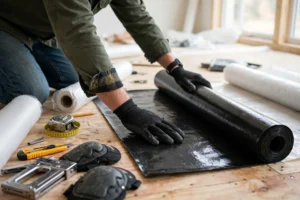
Residential Subfloor Moisture Control Technologies for Protecting Engineered Flooring Systems
Engineered flooring looks like the safe choice for a damp-prone home. Its layered construction resists movement better than solid hardwood, and many boxes carry reassuring words about water resistance. Yet cupped boards, swollen joints, and delaminated planks remain among the most common flooring callbacks, and the cause is almost always the same: moisture rising from […]
Read More

Innovative Phase Change Building Materials That Stabilize Indoor Temperatures Without Mechanical Cooling
Most homes swing between too warm and too cool every single day. The afternoon sun pushes the living room several degrees above comfortable, then the evening cool-down leaves bedrooms chilly by morning, and the heating or cooling system works hard to chase a moving target. Heavy masonry walls used to smooth out these swings, but […]
Read More

Best Residential Air Sealing Improvements for Reducing Heat Loss Through Hidden Building Gaps
Most of the heat leaving your home in winter does not escape through the windows. It slips out through hidden gaps — around pipes and wires, along the top plates of walls, through the attic floor, and at the rim joists where the house meets its foundation. These leaks can add up to the equivalent […]
Read More